
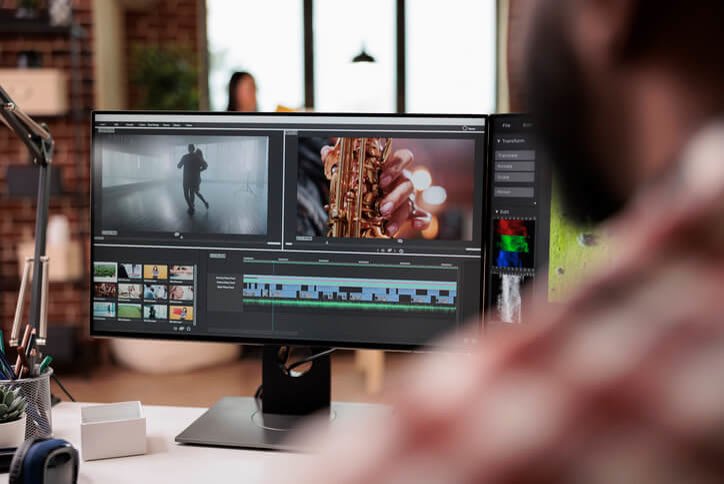
A year ago, my friend Bilal was stuck in a job he hated. He liked making little videos for fun, and one evening he edited a 30-second clip for a local clothing shop. The owner paid him for it. That was his first paid job, and it started with a skill he already had.
You do not need a film degree, an expensive camera, or a fancy studio. You need a laptop, a free editing app, and the patience to get good at cutting clips people enjoy watching. This guide walks you through the whole path.
What People Actually Pay Video Editors For
Most beginners think they need to edit movies or TV shows. In reality, almost all the paid work comes from much smaller jobs.
Short-form videos are the biggest one right now. Businesses, coaches, and creators all need Reels, TikToks, and YouTube Shorts, and most would rather pay someone than edit them. A single creator might need five to ten short videos every week.
YouTube videos come next. A YouTuber who posts twice a week spends hours editing, and many hire an editor for 10 to 30 dollars per video. Then there are ads and product videos — a 15-second ad for a shop, a food video for a restaurant. Start with the kind of videos you enjoy watching, because you will watch a lot of them while you edit.
Learn the Basics Without Spending Money
You do not need to buy anything to start. CapCut is free on desktop and phone, and it handles almost everything a beginner needs — cutting, captions, transitions, music, and basic effects. DaVinci Resolve is also free and more powerful. Pick one and stick with it for a month.
Learn three fundamentals first: cutting on the beat of the music, removing dead space from a clip, and adding captions that are easy to read. These cover most of what clients ask for, and free YouTube tutorials teach them in a few evenings.
Practice like this: take any raw video and cut it down to under 60 seconds. Then do it again with music and captions, and a third time, faster. Clients pay for finished videos, not hours — the faster you get, the more you earn per hour. Do not collect courses you never finish; one or two good tutorial channels and daily practice will teach you more.
Build a Small Portfolio With Practice Projects
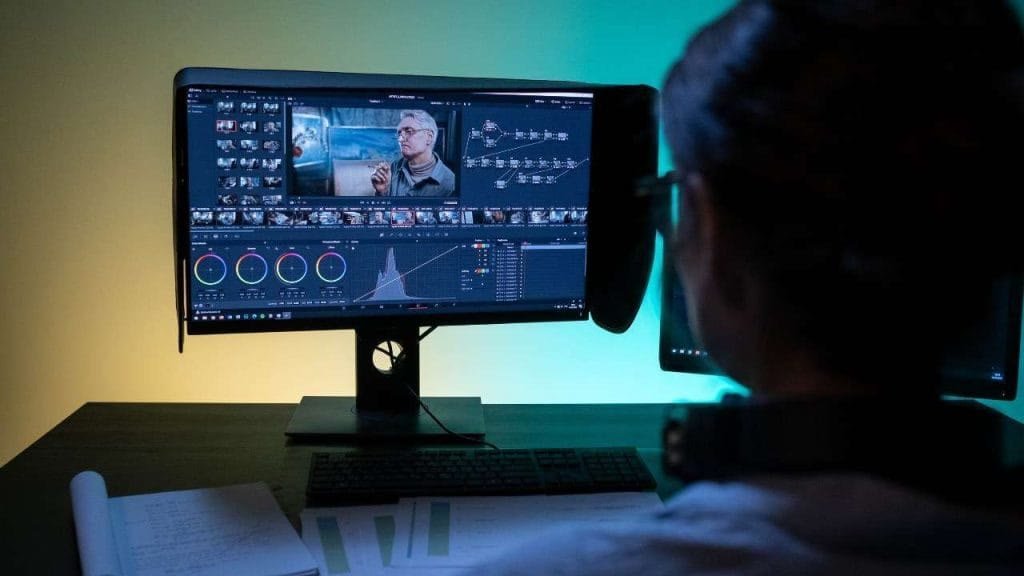
Nobody hires an editor without seeing their work first. The way around this is to create your own samples: edit a fake product ad for shoes you own, turn a free stock video into a travel montage, or cut a public-domain speech into a motivational short. These are honest demonstrations of what you can do.
Keep your portfolio short and easy to open. A Google Drive folder with four or five videos is enough. Name each file clearly, like "Product-Ad-Sample.mp4", so a client can find what they want in seconds.
Make one sample in the exact style of the clients you want. Want fitness coaches? Edit a gym video. Want real estate clients? Edit a property walkthrough. When a client sees a sample like their own content, they can already picture you doing the job for them.
Where to Find Your First Clients
Your first client is almost always someone you already know. Tell people what you do, and post one sample video on Instagram, TikTok, or Facebook with a simple caption: "I edit short videos for businesses — DM me if you need one." Many small business owners have been meaning to hire someone for exactly this.
Freelance platforms are the second place to look. On Fiverr, create a gig for short-form editing; on Upwork, apply to posted jobs. Your first few jobs will be cheap — that is normal. You are buying reviews and experience. Three or four five-star reviews change everything.
Local businesses are a great starting point too. Walk into a shop, a salon, or a cafe and show them a 20-second sample made from their own Instagram photos. Many have never had a proper video, and the owner can decide on the spot. When you message a client, keep it short: what you do, one sample, your price. A clear message and a good sample win jobs.

How to Price Your Work and Get Paid
Pricing is where most beginners freeze. A basic 30-second short — cut, captions, music, one round of changes — is worth 10 to 25 dollars when you start out. A 5 to 10 minute YouTube video is worth 30 to 80 dollars. Wedding highlights and ads cost more because they take longer.
Agree on the price before you start, and take half in advance from new clients. For online clients, use the platform's payment system — Fiverr and Upwork both hold the money safely. For local clients, bank transfer or mobile wallet before you deliver the final file works fine.
Be clear about revisions: include one or two rounds of small changes in your price. Without this, some clients will ask for changes forever. A completely different video halfway through is a new job — say so politely. Keep a simple record of every job, and after ten jobs, look back: you will see which work pays best for the time it takes.
Turn One-Off Jobs Into Steady Income
Steady income comes from repeat clients. After a job, ask: "Do you need videos every week?" Creators, shops, and coaches all need regular editing. Offer a weekly or monthly package at a slightly lower per-video price — they get a better deal, and you get income you can count on.
As your skills grow, raise your prices a little with each new client. If your last three clients said yes without negotiating, your price is too low. Keep learning one new thing at a time — better captions this month, smooth transitions next. Just be a little better than last month, every month.
Frequently Asked Questions
Do I need an expensive laptop to start video editing? No. Any laptop made in the last five or six years can run CapCut, and most can run DaVinci Resolve for basic projects. Upgrade only when your work pays for it.
How long does it take to get your first paying client? For most beginners who practice daily and show their work online, four to eight weeks. Some get lucky in the first week through a friend or a local shop. The ones who take longer usually keep learning but never show anyone their work.
Can I make money editing videos on my phone? Yes, for short-form videos. CapCut on a phone handles Reels and Shorts well, and many editors do their whole job on a phone. A computer is better for longer YouTube videos.
Conclusion
Making money with video editing is not a trick. It is a normal skill people pay for, because video is how everyone communicates now. Learn the basics with a free tool, make four or five honest samples, show them to real people, and charge a fair price.
Your first paid video might be small — a 20-second clip for a shop down your street. Every editor you admire started with a first small job too. Start this week, finish one sample video, and show it to someone. That is the whole secret.
The fastest way to make money with video editing is to edit for one kind of creator, do it well, and let every finished video bring the next client.
Keep reading: How to Make Money on YouTube | How to Earn Money with Graphic Designing